Book Appointment Now

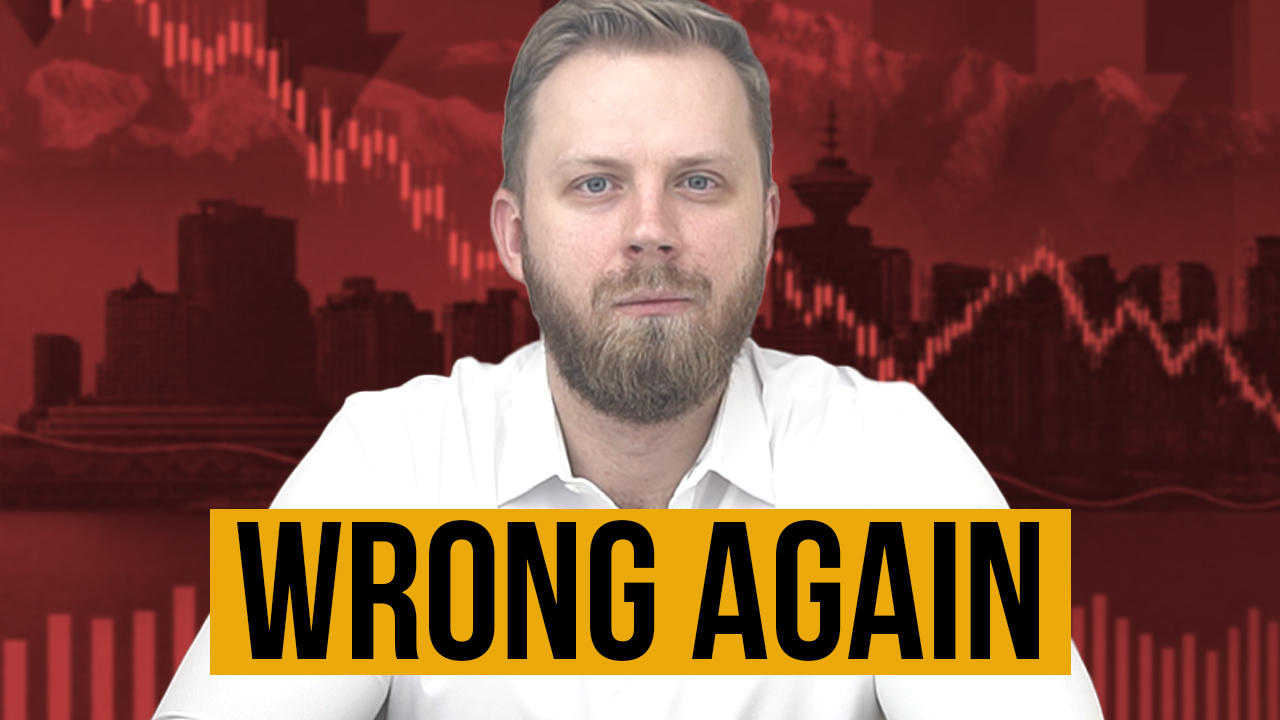
Vancouver Real Estate Forecasts Are Always Wrong — And It’s Costing Buyers Millions
Every year, major real estate firms release glossy reports predicting where the Vancouver housing market is headed. These forecasts dominate headlines, get quoted by the media, and often influence buyer and seller decisions.
And yet, year after year, they miss the mark.
In this article, we’ll break down why Vancouver real estate forecasts are consistently inaccurate, what last year’s prediction got wrong, what the new 2026 forecast is saying, and — most importantly — why buyers are still sitting on the sidelines despite lower interest rates.
Last Year’s Vancouver Housing Forecast: What Was Predicted
In late 2024, a major forecast projected that by the end of 2025:
- Vancouver home prices would rise roughly 4%
- Condo prices would increase by 4.5%
- Inventory would tighten
- Multiple-offer scenarios would return
- The spring market would be strong and competitive
The narrative was clear: the market had bottomed, borrowing conditions were improving, and buyers were expected to rush back in.
What Actually Happened in Vancouver’s Real Estate Market
Reality played out very differently.
Instead of rising prices and tightening supply:
- Detached home prices fell approximately 4.3%
- Condo prices dropped about 5.2%
- Inventory surged to near record levels
- Buyer activity stalled
- Investor participation largely disappeared
In other words, the forecast didn’t just miss — it was wrong by nearly 10 percentage points in some segments.
For buyers who relied on that prediction, the financial consequences were real.
The New Vancouver Real Estate Forecast for 2026
Now, a new forecast has been released for 2026, and the tone has shifted dramatically.
The latest outlook suggests:
- Vancouver home prices could decline by 3–5%
- Condo prices may fall another 3%
- Inventory will remain elevated
- Buyers will continue to wait on the sidelines
- Interest rates may not provide enough stimulus to restart demand
Ironically, this “new” prediction closely resembles what already happened over the past year.
Why Vancouver Real Estate Forecasts Keep Getting It Wrong
1. Forecasts Assume “Everything Else Stays the Same”
Most housing forecasts project future prices based on current trends continuing uninterrupted.
If sentiment appears positive, the model assumes recovery.
If conditions look weak, it assumes continued slowdown.
But real estate doesn’t operate in a vacuum. Economic shocks, policy changes, immigration shifts, global trade issues, and employment uncertainty can change conditions rapidly — especially in a market as sensitive as Vancouver.
2. Interest Rates Are Overemphasized
Forecasts often place too much weight on interest rates as the primary driver of demand.
While rates do matter, 2025 proved something important:
Even with rates in a more “neutral” range, buyers did not rush back.
This shows that affordability, confidence, inventory, and future expectations matter just as much — if not more — than borrowing costs alone.
3. Inventory Levels Are Undervalued
One of the most overlooked factors in Vancouver’s housing market is inventory.
When buyers have plenty of choice:
- There’s no urgency
- No fear of missing out
- No pressure to overpay
With inventory levels remaining high, buyers feel comfortable waiting — sometimes indefinitely.
4. Investor Demand Has Vanished
For years, investors played a massive role in Vancouver’s real estate market.
Today, many are gone.
Negative cash flow, falling rents, higher carrying costs, and uncertainty have pushed investors out of residential housing — particularly condos.
While this opens opportunities for end users, it also removes a major source of demand, slowing price recovery.
Why Buyers Aren’t Buying Right Now
Prices Are Still Falling
No one wants to “catch a falling knife.”
As long as prices drift downward, many buyers prefer to wait.
Economic Uncertainty
Job security matters.
With ongoing recession debates and economic uncertainty, buyers hesitate to make the largest purchase of their lives.
Move-Up Buyers Are Stuck
Many homeowners need to sell before they can buy.
When one transaction stalls, it freezes multiple transactions up the chain — slowing the entire market.
Rents Are Declining
With rents falling for over a year, renters feel less pressure to exit the rental market and buy.
Fear of Strata Ownership
Rising maintenance fees, insurance issues, and surprise special levies have created negative sentiment toward condos — especially among first-time buyers.
What This Means for Vancouver Real Estate in 2026
The honest answer?
No one knows for sure.
And that’s exactly the point.
Forecasts can provide a general sense of market sentiment, but they cannot capture buyer psychology, fear, confidence, or hesitation — the factors that truly drive real estate decisions.
Relying too heavily on predictions can be costly.
How Buyers and Sellers Should Use Forecasts
Forecasts should be treated as:
- A reference, not a roadmap
- One input among many
- A snapshot of sentiment, not a guarantee
The smartest decisions are made by combining data, personal circumstances, and an understanding of what’s actually happening on the ground.
Final Thoughts
Vancouver real estate forecasts will continue to make headlines.
They’ll continue to sound confident.
And they’ll continue to be wrong — at least in part.
The key is not predicting the future perfectly, but understanding the present clearly.
If you want ongoing, ground-level insights into Vancouver’s real estate market — without hype or guesswork — stay connected and stay informed.
Comments