Book Appointment Now

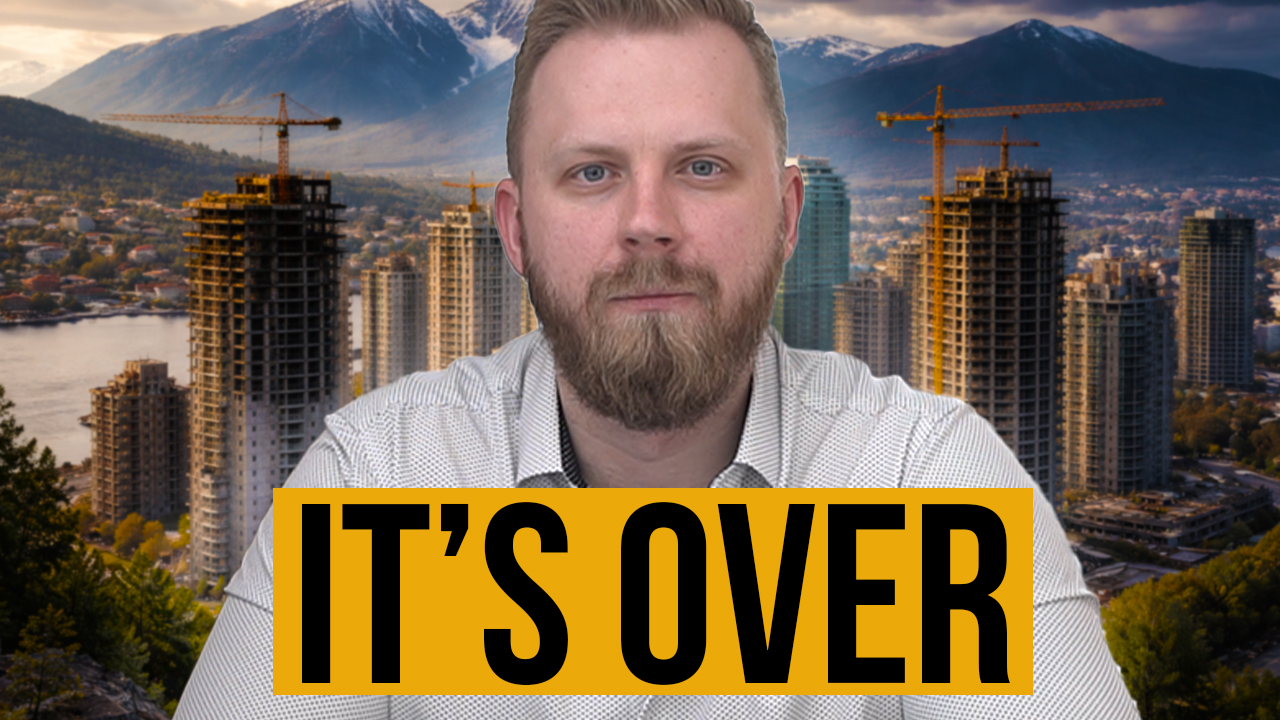
Vancouver’s Pre-Sale Condo System Has Collapsed — And Why That’s (Temporarily) Good News
For more than three decades, the Vancouver real estate market relied on a single, powerful engine: pre-sale condos.
Developers didn’t need to build first — they sold units years in advance. Buyers lined up. Investors piled in. Towers sold out in hours.
Today, that system is breaking down.
And while that might sound alarming, it’s actually creating one of the best opportunities for buyers in years — at least in the short term.
But there’s a catch.
What Was the Pre-Sale Condo System?
The modern pre-sale model in Vancouver dates back to the mid-1990s, when developers began selling units before construction even started.
Instead of building first and selling later, the process flipped:
- Buyers purchased units off plans
- Developers used those sales to secure financing
- Banks typically required 60–70% of units pre-sold before funding construction
Over time, this became the standard model across Metro Vancouver.
At its peak:
- Condo projects would sell out in hours
- Buyers would line up overnight outside sales centres
- Investors dominated the market
In many ways, Vancouver didn’t have a traditional housing market — it had a pre-sale machine.
Why the Pre-Sale Market Is Collapsing
Fast forward to 2025–2026, and the entire system is under pressure.
Many projects today are struggling to sell even 20% of units, far below the threshold needed to move forward.
Here’s why:
1. Investor Demand Has Collapsed
The pre-sale system depended heavily on investors.
At the height of the market:
- Around 50% of units were sold to investors
By 2025:
- That number dropped to ~26% — and continues to fall
But the real story is even bigger.
Total condo sales have dropped dramatically, meaning the absolute number of investors exiting the market is massive.
Why are investors leaving?
- Rising interest rates
- Falling rents
- Declining condo prices
- Negative cash flow
When the math stops working, investors walk away.
2. Government Policies Killed Speculation
Over the past decade, multiple policies were introduced to cool the market:
- Empty Homes Tax
- Anti-Flipping Tax
- Foreign Buyer Ban
These measures were designed to reduce speculation — and they worked.
But they also removed a key pillar of the pre-sale system: investor demand.
3. Immigration Cuts Are Reducing Housing Demand
One of the biggest (and often overlooked) factors is population growth.
Canada recently implemented significant restrictions on:
- International students
- Temporary foreign workers
The result?
- Slower population growth
- Rising rental vacancies
- Falling rents
And when rents fall, investor demand weakens even further.
This creates a feedback loop:
Lower rents → fewer investors → weaker pre-sales → fewer new projects
Developers Are Struggling — And Getting Creative
The impact on developers has been severe.
Many are now:
- Cancelling projects
- Delaying launches
- Offering aggressive incentives
In some cases, developers are even:
👉 Selling condos 10–20% below construction cost
👉 Packaging 30–50 units together and selling them in bulk to institutional investors
Others are experimenting with new strategies, like:
- “Try before you buy” programs
- Mortgage subsidies
- Limited-time pricing incentives
This is a major shift from just a few years ago, when buyers had minutes — not days — to make decisions.
Why This Is Good News for Buyers (For Now)
In the short term, this market shift is creating real advantages for buyers:
✔ More Inventory
There are significantly more unsold units available.
✔ Less Competition
With investors largely sidelined, buyers face less bidding pressure.
✔ Negotiation Power
Developers are willing to negotiate — something rarely seen in past cycles.
✔ Incentives & Discounts
From price reductions to creative financing, buyers have more options.
For the first time in years, the Vancouver condo market is starting to behave more like a normal market.
The Big Risk: A Future Housing Shortage
While today’s conditions favour buyers, there’s a growing concern about what happens next.
The reality is simple:
- Developers need pre-sales to secure financing
- Without financing, projects don’t get built
- Without new construction, future supply declines
And housing supply doesn’t respond overnight.
It typically takes 3 to 5 years (or longer) for new projects to be completed.
That means:
👉 Today’s slowdown in construction could lead to a serious housing shortage in the future
Some projections suggest this could happen within the next 5 to 7 years.
The Cycle Problem: Boom, Bust… Repeat
Vancouver’s housing market has always been cyclical.
- Periods of extreme demand → low inventory → price surges
- Followed by oversupply → slowing demand → price corrections
Right now, we’re in the cooling phase.
But if construction slows too much, the next phase could be:
👉 Another supply crunch
👉 Another rapid increase in prices
👉 Another affordability crisis
The challenge is finding a balanced system — one that supports construction without relying entirely on speculation.
What Happens Next?
The pre-sale model isn’t disappearing entirely — but it is evolving.
We’re already seeing signs of a shift:
- Smaller, more affordable projects performing better
- Developments focused on end-users instead of investors
- More cautious buyers and lenders
The future may involve a mix of:
- Pre-sale units
- Move-in-ready inventory
- Alternative financing models
But one thing is clear:
👉 The old system — driven by investor speculation and rapid sellouts — is over.
Final Thoughts
The collapse of Vancouver’s pre-sale condo system marks a major turning point in the market.
In the short term:
- Buyers benefit
- Prices stabilize
- Competition drops
But long term:
- Construction slows
- Supply tightens
- The risk of another housing shortage increases
In other words:
The system that drove prices up… is also the system that builds housing.
And right now, that system is broken.
Watch the Full Breakdown
Need Help Navigating the Vancouver Market?
If you’re thinking about buying or selling real estate in Vancouver and want expert guidance, feel free to reach out. I help clients make smart decisions in changing markets like this one.
Comments